Media Centre
Africa Health Security Index reveals progress and persistent preparedness gaps
Wednesday, July 22, 2026
Africa’s Health Security Capacity Has Improved, but No Country is Adequately Prepared and Biosecurity and Biosafety Remain Critically Low
New Africa Health Security Index reveals how rising threats and health emergencies, including Central Africa’s current Ebola outbreak, could erode progress
A new Africa Health Security (AHS) Index, released today against the backdrop of a devastating Ebola disease outbreak, reveals significant gaps in critical health infrastructure despite important progress in health security capacity in recent years.
The AHS Index spotlights how African governments and partner investments in the aftermath of the COVID-19 pandemic have paid off. The continent is nearly 30% more prepared than it was five years ago, according to the Index, yet an average score of only 41.5 out of 100 reveals gaps that could allow crises to become catastrophes at a time when threats and risk factors continue to escalate.
Developed by a coalition of African and global research organisations and public health and security experts, the AHS Index assessed all 54 African countries based on answers to 190 questions. These questions benchmark health security alongside other factors critical to preventing, detecting, and responding to outbreaks, including the strength of each country’s health systems, commitment to global norms, and the local political and risk environment. The Index was designed by the coalition to meet African priorities and equip leaders with evidence to address current and future risks.
The Index findings show that progress is real and broad-based, with 52 out of 54 countries showing improved scores by at least one point. The continent-wide averages improved in all top-level Index categories except risk environment. However, despite these gains, some underlying indicators declined.
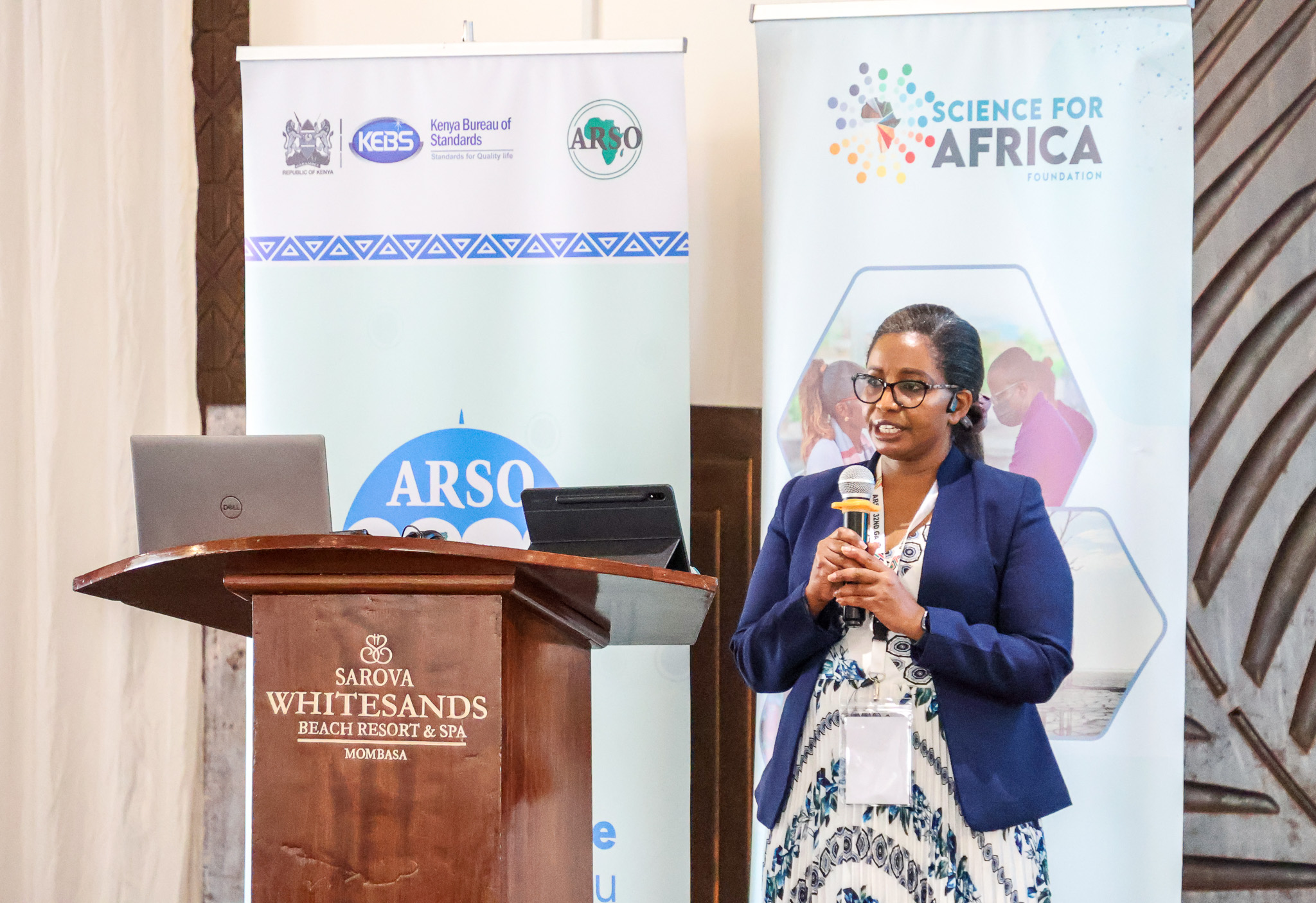
“The AHS Index is a game changer for an exceptionally diverse continent with wide differences in national incomes, climate, governance, and social conditions. It measures our unique strengths and strategic opportunities and provides the evidence base for African controlled health investments and policy decisions,” said Judith Omumbo, Head of Partnerships and Resource Mobilisation for the Science for Africa Foundation, a co-lead of the AHS Index. “It can guide domestic policy priorities and international collaboration opportunities, ensuring that countries in Africa lead, rather than follow, in global health security initiatives.”
The Index also found improvements in biosecurity and biosafety capacity across Africa, but capacity in those areas still remains alarmingly low. The average biosecurity score is 14.9, the biosafety average 18.2, and the dual-use research of concern average is 1.9 out of 100. Lab infrastructure is expanding, but it is outpacing safety and security oversight mechanisms.
“The measurable increase in capacity is the result of dedication, hard work, and investment in the health security of Africa over recent years, but much more is needed. Substantial gaps remain that can mean the difference between a small outbreak and an international pandemic. Investments made today will determine Africa’s capacity to address the health threats of tomorrow,” said Dr. Wilmot James, senior adviser to the Brown University Pandemic Center and a former Member of Parliament and Shadow Minister of Health in South Africa. “Recent declines in overseas development assistance underline the need for governments to prioritise resources and strengthen the systems that address health emergencies.”
Other findings include:
Biosurveillance capacity is growing: 53 out of 54 countries had increased biosurveillance capacity, though progress varied by region. Wastewater and environmental surveillance has expanded to 52 countries and genomic sequencing capacity in 48 countries, but programs vary in maturity.
Medical countermeasure development is outpacing deployment: Capacity for life-saving medical countermeasures (MCM) such as vaccines and therapeutics rose across all five regions. However, countries have better capacities to develop MCM (average score: 56.5 out of 100) than to deploy them (20.7 out of 100). Similarly, while 85 percent of countries have an agency to approve new MCMs, only 22 percent have public plans to handle supply surges during emergencies.
Climate-related health security capacity is improving: Access to water and sanitation infrastructure to better manage risks linked to climate change has increased, and countries have more capacity to prevent, detect, and rapidly respond to zoonotic diseases with more legislation, surveillance, data sharing, and emergency response planning.
Regional health security infrastructure is strengthening, but unevenly: In response to regional capacity building efforts, the number of countries meeting field epidemiologist staffing thresholds nearly doubled: Fifty-two countries now have Emergency Operations Centres, and 36 have animal health emergency agreements. However, only eight countries are tracking dangerous pathogen facility locations.
National health security financing commitments show signs of strain: The average score dipped from 52.5 to 50.5 out of 100. Eighteen countries no longer show evidence of active financing commitments, although seven new countries do.
“African governments have made measurable progress in health security capacity, and the data show it,” said Christine E. Wormuth, president and CEO of the Nuclear Threat Initiative. “Growing biological risks and a challenging security environment expose countries to outbreaks, accidents, and deliberate threats. Strengthening public health is both a national and regional security priority.”
Based on the assessments, the report also highlights key actions governments, multilateral organisations, regional entities, funders and the private sector can take today to ensure continued progress in the face of rising threats, including:
- Requiring that all investments in research and preparedness include biosecurity and biosafety resources and training
- Establishing a global pandemic spending tracker with minimum benchmarks
- Expanding investment in emerging surveillance networks and early warning and detection systems, including wastewater and environmental surveillance and genomic surveillance
- Building medical countermeasure deployment capacities to complement the push in manufacturing capabilities
- Developing a harmonized emergency use authorization framework to expedite regulatory pathways for medical countermeasures
- Strengthening water and sanitation infrastructure to prevent disease transmission and address climate-related health pressures
- Formalizing inter-country cooperation agreements to combat outbreaks
- Publicly committing to financing pandemic preparedness through domestic resources, global commitments, and co-investment opportunities.
Additional quotes from Index leads:
- “Measuring health capacity matters because what gets measured gets done. The Africa Health Security Index equips policymakers with the data they need to act and will help countries understand and strengthen capacity across the region,” said Peter Babigumira Ahabwe, an epidemic intelligence analyst in Uganda’s National Public Health Institute and chair of the expert advisory group behind the Index. “This is a cross-sectoral tool with value for every policy domain.”
- “More frequent outbreaks, climate change, unstable funding for health systems, and security risks all increase vulnerability,” said Dr. Jake Jordan, vice president for Global Biological Policy and Programs at NTI. “The data is telling us that stronger, sustained investment and broad-based partnerships matter more than ever. Governments increasingly understand the assignment—but need more resources to complete it.”
- “The Africa Health Security Index represents a collaborative approach to measuring preparedness—grounded in data and built for action,” said Dr. Jennifer Nuzzo, director of the Brown University Pandemic Center. “With multiple years of data, it helps countries identify gaps, track progress over time, and gives donors and policymakers the evidence they need to prioritise investments and strengthen health systems.”
- “The Africa Health Security Index allows countries to measure capacities and make their own decisions about where and how to fill health security gaps using different financing solutions. I am excited about how this new regional approach can further empower regional leaders across health, financing, security, and other relevant sectors,” said Dr. Elizabeth Cameron, senior adviser to the Brown University Pandemic Center. “This effort adds an important new element to the global architecture for pandemic preparedness monitoring, linking to other important efforts to fund the highest priority gaps, track pandemic spending across sectors, and showcase economic returns on investment, including the Pandemic Fund and the High Level Independent Panel.”
- “Robust data collection and validation and a transparent, comparable methodology across countries underpins the Africa Health Security Index,” said Elly Vaughan, principal, global health, at Economist Enterprise. “Countries should use the data to identify and close gaps, and share progress publicly, to enable cross-border learning. Everyone has a role to play in strengthening health security.”
About the AHS Index
The AHS Index is co-led by the Nuclear Threat Initiative (NTI), the Brown University Pandemic Center, Economist Enterprise, and Science for Africa Foundation, in collaboration with University of the Witwatersrand (Johannesburg, South Africa) and University of Tunis El Manar (Tunis, Tunisia). Funding was provided by the Gates Foundation.
Links & Downloads
A discussion of the findings and recommendations from the 2026 Africa Health Security Index
The world is shifting from a period of urgent health action to one of growing neglect, even as biological threats continue to rise. Against this backdrop, the 2026 Africa Health Security (AHS) Index shows significant progress has been made across the continent – but substantial gaps remain.
Join NTI, the Brown University Pandemic Center, Economist Enterprise, and the Science for Africa Foundation for a discussion of the findings and recommendations of the 2026 AHS Index, an independent assessment of health security capacities in Africa.
This webinar will feature global experts and policymakers to discuss how the AHS Index can shape policy decision-making and drive action to strengthen health security capacities and improve preparedness for future epidemics and pandemics.
Speakers:
- H.E. Dr. Jean Kaseya, Director General, Africa Centres for Disease Control and Prevention (Africa CDC)
- Dr. Judith Omumbo, Head of Partnerships & Resource Mobilisation, Science for Africa Foundation
- Christine E. Wormuth, President and CEO, Nuclear Threat Initiative
- Dr. Wilmot James, Senior Advisor, Brown University Pandemic Center
- Dr. Scott Dowell, Deputy Director for Surveillance and Epidemiology, Gates Foundation
- Dr. Jennifer Nuzzo, Director of the Pandemic Center, Professor of Epidemiology at the Brown University School of Public Health
- Peter Babigumira Ahabwe, Epidemic Intelligence Analyst, Uganda National Institute of Public Health
- Dr. Hanene Boussi, Professor of Health Informatics at the Higher Institute of Medical Technologies of Tunis & Vice President in charge of Sustainable Impact and Rankings – University of Tunis El Mana
- Lizeka Tandwa, Bioethicist, Lecturer at the Steve Biko Centre for Bioethics, University of the Witwatersrand
- Nathan A. Paxton, PhD, Senior Director, Global Biological Policy and Programs, Nuclear Threat Initiative
- Ailia Haider, Manager, Policy & Insights, Economist Enterprise
Register Here: https://bit.ly/45hWmbP