Media Centre
Decolonisation of global health takes centre stage at the 2025 Africa Health and Development Annual Research Symposium
Monday, December 1, 2025
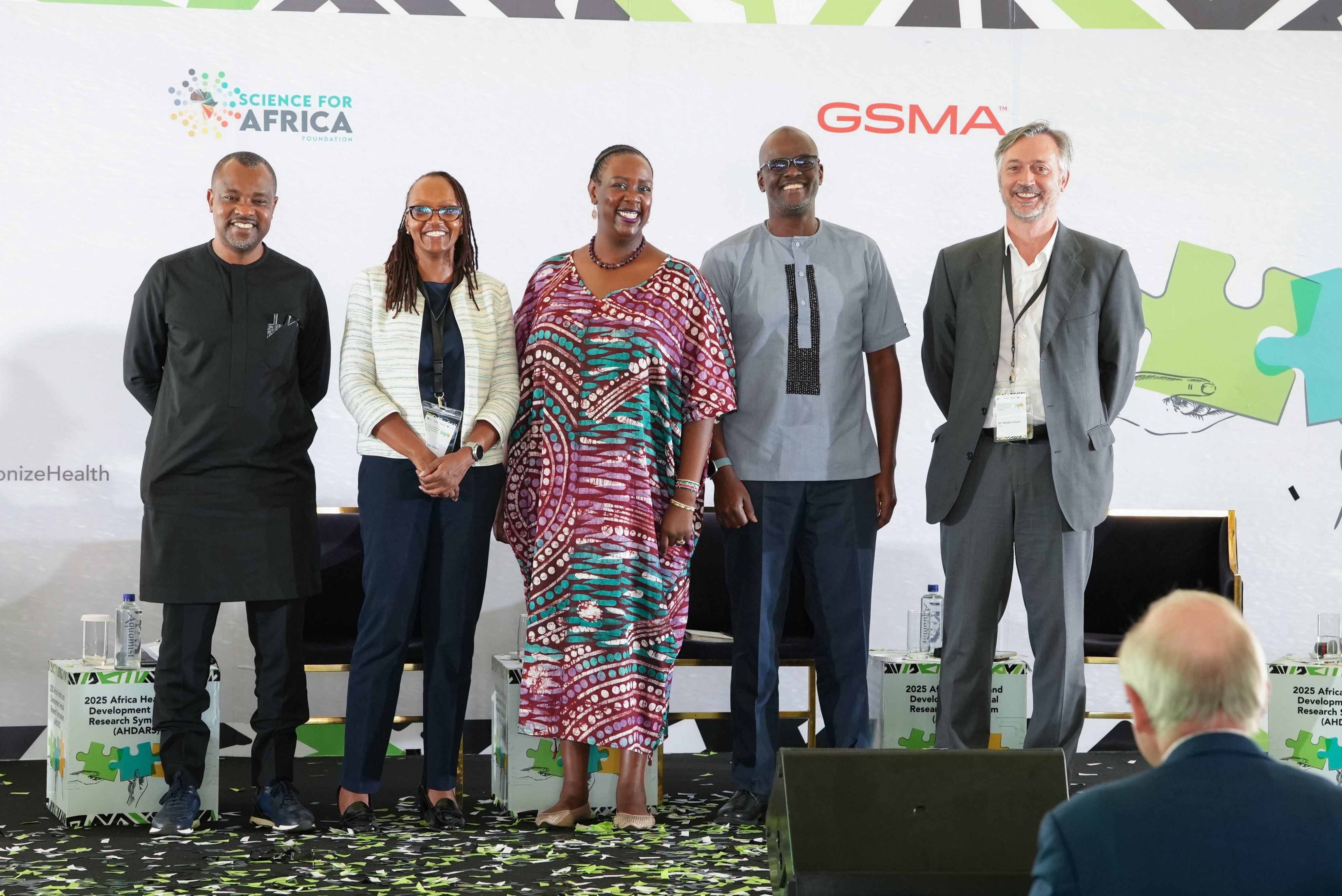
The African Population and Health Research Centre (APHRC), in partnership with the Science for Africa Foundation (SFA Foundation), GSMA, and the East, Central, and Southern Africa Health Community (ECSA-HC), today officially launched the 2nd Africa Health and Development Annual Research Symposium (AHDARS) 2025.
Held at APHRC’s Nairobi Campus and virtually, the symposium is themed “Decolonising Global Health in the Age of Digital Transformation: Rethinking Aid and Partnerships as Africa Leads Its Future.” It has convened researchers, policymakers, innovators, and private sector leaders from across the continent to reimagine the future of global health through African-led approaches and advance evidence-informed decision-making, promote equitable research partnerships, and explore digital transformation as a pathway to reforming global health systems and enhancing Africa’s research and development self-sufficiency.
In her opening address, Dr Catherine Kyobutungi, APHRC Executive Director, emphasised the need to confront long-standing inequalities in global health. “At APHRC, we are proud to join, facilitate, and participate in conversations that confront uncomfortable truths because that’s how the real transformation begins. This is a critical moment for us as a continent, and we must move from talk to action if we are to achieve an equitable and just future.” She reiterated that the decolonisation of health and digital transformation is the bridge to the future, adding that digital transformation can and should deliver change grounded in equity.
Dr Seye Abimbola, the keynote speaker and a leading scholar on health systems and epistemic justice, urged participants to confront long-standing inequities in global health. “Every actor, at every level, must see themselves as part of the broader decolonization agenda within the knowledge ecosystem,” he said. He called for the dismantling and deconstructing of pre-determined hierarchies of knowledge and trickle-down norms that shape how expertise is valued, further cautioning the continent on replicating outward models and structures of ‘thriving ecosystems’ without achieving meaningful success.
Dr Evleyn Gitau, Chief Scientific Officer at the SFA Foundation, highlighted the need for additional funding aligned with African priorities. “Africa’s strength is evident in the solutions we continue to build for our own research and health systems. The Good Research Management Practice Standard, recently launched by SFA Foundation and partners, is a clear demonstration of our commitment to strengthening the research ecosystem, reducing inefficiencies, and enhancing accountability. As global partners work with us, financing frameworks must align with African priorities. We are not passive recipients; we are active contributors shaping the continent’s health and development future,” she said.
GSMA’s Head of Africa, Ms Angela Wamola, underscored the transformative role of digital innovations. "The launch of the new GSMA-APHRC Enabling Digital Health in Africa report marks a pivotal moment for our continent. This evidence base shows that Africa’s digital transformation is not just about technology - it’s about equity, inclusion, and African leadership. By joining forces, we’re showing how digital innovation and strong partnerships can drive more equitable, resilient health systems for all Africans.”
Ms Sebentile Myeni, a Knowledge Management Manager at the ECSA-HC, emphasised the need for African ownership of solutions. She said, “Dependency syndrome convinces us that help will always come from elsewhere, yet the solutions are already within our people. Implementing research becomes easier when all actors sit at the table: communities, scientists, policymakers, and funders. For research to serve Africa, it must be internalised by Africans.”
Over two days, participants will engage in keynote talks, policy dialogues, and panel discussions addressing financing models, digital health governance, data equity, and the future of Africa’s research architecture. The discussion will include how Africa can build stronger research ecosystems, leverage artificial intelligence, and design digital innovations that address real public health challenges.
ADHARS 2025 has set the tone for institutions, researchers, governments, and development partners to introspect on how to advance the future of the decolonisation agenda in Africa. While the dialogue has started, its impacts will be guided by the actions, legal and policy reforms, and partnerships that all partners establish to advance the agenda to #DecolonizeHealth and #PowerAfricasHealthFuture.