Media Centre
Women at the heart of Africa’s science future, from girls in STEM to systems leadership
Wednesday, February 11, 2026
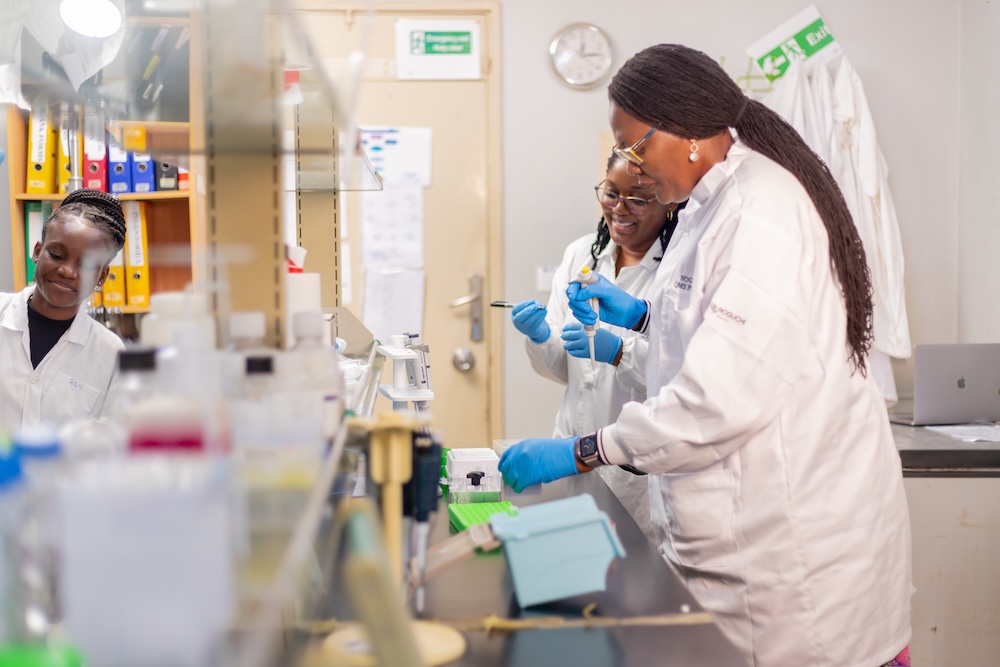
By Dr Evelyn Gitau
As the world marks the International Day of Women and Girls in Science, and International Women’s Day approaches, Africa stands at a critical inflection point. These global moments are not about celebration alone. They are a call to recognise where power in science resides and who is already exercising it. Across the continent, women are not only advancing scientific discovery; they are building the governance, data stewardship, supply chains, and public trust that make science durable, sovereign, and impactful.
This leadership is emerging as Africa deliberately re-anchors its scientific future. The African Union’s Science, Technology and Innovation Strategy for Africa (STISA) 2034 reframes science not as a peripheral good but as a central driver of socio-economic transformation. It signals a move from being recipients to becoming owners of innovation. Yet a strategy is only as powerful as the people entrusted to lead it. Increasingly, that trust is being earned and exercised by women shaping the invisible but indispensable foundations of research excellence.
Consider the establishment of the first Global Research Management Practice (GRMP) Standard, a milestone in professionalising research governance. The leadership behind this work, including Allen Mukhwana, Head of Programmes for Strengthening Science Ecosystems at the Science for Africa Foundation, recognises that great science is not only about what happens in the laboratory but also about integrity, reliability, and accountability across the research lifecycle. By professionalising the way research is managed, GRMP builds the deep-rooted trust needed to attract investment and gives scientists a reason to build their futures in Africa. Crucially, it creates predictable and respected career pathways, spaces where women can lead, advance, and remain within African research systems rather than being pushed to the margins or abroad.
In a world where biological samples, genomic data, and health information increasingly shape global scientific power, sovereignty is no longer abstract. It is embedded in how knowledge is collected, governed, and shared. Nicki Tiffin, Deputy Director at the South African Bioinformatics Institute, through her leadership in the development of the Africa Biospecimen and Data Exchange platform (ADBEx), is advancing a model where African biological samples and data are stewarded with integrity, transparency, and shared benefit. Women leaders in data governance are redefining sovereignty not as exclusion, but as ethical stewardship, balancing openness with protection and global collaboration with local accountability.
In West Africa, Iruka Okeke, Professor at the University of Ibadan in Nigeria, stands at the forefront of efforts to confront one of the continent’s most urgent and under-addressed threats: antimicrobial resistance. A leading authority in genomic surveillance and infectious disease epidemiology, her work has strengthened the detection, tracking, and interpretation of resistant pathogens across the region. By linking genomic insight to policy, preparedness, and public health practice, her work ensures that science does not remain confined to journals but moves decisively into the lives it is meant to protect.
This moment is unfolding against a shifting global backdrop. In parts of the world, gender equity has increasingly been reframed as ideological excess rather than structural necessity. Programmes that once advanced inclusion in science, education, and research leadership are now contested, defunded, or politically stigmatised. For Africa, this shift is not a signal to retreat from equity agendas but a reminder of their strategic importance.
Science does not shape society through laboratories alone. Science communication, particularly when led by women, functions as a critical STEM intervention, connecting discovery to decision-making and accountability. In Kenya, award-winning reporters such as Hellen Shikanda and Angela Oketch have bridged the gap between clinical research and everyday realities. The legacy of the late Elizabeth Merab demonstrates how sustained science journalism can catalyse real shifts in policy and public awareness.
As we move from the International Day of Women and Girls in Science toward International Women’s Day, the question is no longer whether African women are ready to lead science. They already are. The real question is whether institutions, funders, and governments are prepared to recognise that leadership with long-term investment, decision-making authority, and trust.
About the Author(s)
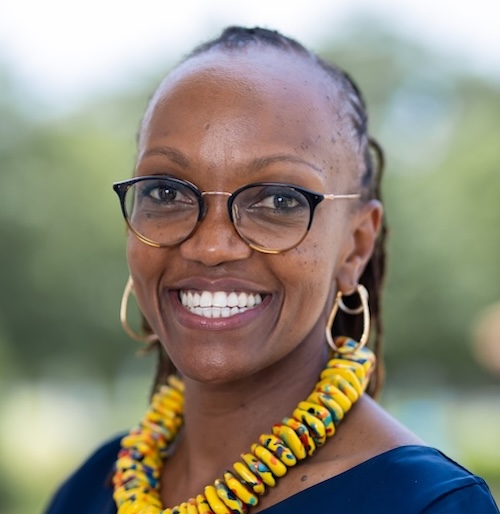
Dr Evelyn Gitau
Dr Gitau is the Chief Scientific Officer at the SFA Foundation, where she leads the organisation’s science portfolio and strategy.