Media Centre
Report from #Evi4Dev2025 call to action and the critical role of evidence in Africa’s development
Wednesday, June 10, 2026
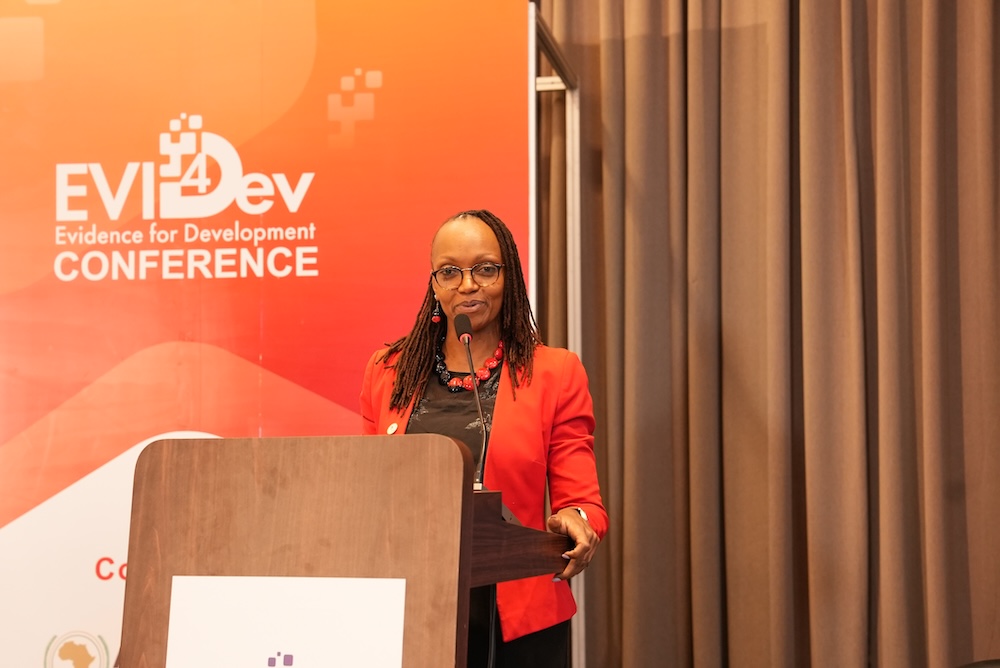
A report compiled from the inaugural Evidence for Development (Evi4Dev) Conference has issued a bold call to action for governments, researchers, development partners, civil society and the private sector to place data, evidence and innovation at the centre of Africa’s development agenda.
The report documents the outcomes of the landmark conference, held in Nairobi, Kenya, from 6–8 May 2025, which convened more than 400 delegates from 29 countries to explore how science, technology, innovation and evidence-informed policymaking can accelerate progress towards the African Union’s Agenda 2063 and the Sustainable Development Goals. The conference was co-convened by the African Institute for Development Policy (AFIDEP), the African Union Development Agency (AUDA-NEPAD), and the Science for Africa Foundation. The gathering underscored a shared belief that Africa’s development challenges, from health and education to food security, infrastructure and wealth creation, cannot be solved without evidence-informed action.
Why evidence matters for Africa’s development
As African countries navigate a rapidly changing global landscape marked by shrinking fiscal space, rising debt and increasing development pressures, delegates stressed that evidence provides the foundation for smarter investments, more effective policies and stronger institutions.
Evidence-driven approaches enable governments and institutions to:
- Design policies that respond to local realities and citizen needs
- Strengthen accountability and transparent governance
- Improve health, education and agricultural outcomes
- Scale African innovations and create jobs
- Build resilient systems capable of responding to emerging challenges
- Ensure development gains are equitable and inclusive
The conference highlighted that generating knowledge alone is insufficient. What matters is ensuring that evidence is translated into action and consistently used in decision-making.
Key calls to action
Participants called for increased investment in research and development, stronger partnerships between researchers and policymakers, and improved access to quality data. Governments were urged to establish enabling environments for innovation, strengthen intellectual property systems, and invest in digital infrastructure and AI capabilities.
Delegates also emphasised the importance of:
- Integrating the Science, Technology and Innovation Strategy for Africa (STISA 2034) into national development agendas
- Strengthening evidence-informed policymaking systems and institutional capacities
- Expanding domestic financing for development
- Supporting youth-led innovation and entrepreneurship
- Advancing gender equity and inclusion across science and innovation ecosystems;
- Investing in STEM and digital skills development
- Promoting cross-sector and cross-country collaboration.
Across sectors including health, education, food security and wealth creation, participants called for policies and investments grounded in locally generated evidence and African-led solutions.
A shared responsibility
The Evi4Dev 2025 Call to Action recognises that achieving Agenda 2063 will require collective action. Governments, academia, civil society, development partners and the private sector all have a role to play in ensuring that data, evidence and innovation become powerful tools for creating wealth, empowering citizens and fostering responsive governance.
The message from Nairobi was clear: Africa's future will be shaped not only by the knowledge it generates but also by how effectively that knowledge is used to transform lives.
As the continent seeks sustainable and inclusive growth, evidence must move beyond reports and research papers to become a catalyst for action and impact.